
What Is a Highly Sensitive Person, and Why It Matters at Work
What Is a Highly Sensitive Person, and Why It Matters at Work
As a highly sensitive person, often introverted and sensitive, you may notice everything in a meeting, the shift in tone, the tension no one names, the fluorescent light that won’t stop buzzing. Then, when it’s your turn to speak, you want ten more seconds to think.
That doesn’t mean you’re weak. It may mean you’re a highly sensitive person, and that trait changes how work feels in your body, mind, and nervous system. If you’re tired of forcing yourself into louder workplace norms, resources that help you lead powerfully as highly sensitive leaders can make your personal growth feel a lot less lonely.
Key Takeaways
- High sensitivity is a temperament trait marked by deep processing and heightened awareness of subtleties like tone, tension, and sensory input—not a flaw, diagnosis, or the same as introversion, shyness, or anxiety.
- HSPs bring powerful strengths to work and leadership, including reading team dynamics, spotting risks early, empathetic decision-making, and thoughtful judgment, though overstimulation from busy environments can lead to burnout.
- Protect your energy with practical habits like spacing meetings, sensory adjustments, recovery breaks, and nervous system regulation to stay sharp without forcing a louder persona.
- Reframe sensitivity as a strategic leadership skill: stop hiding it and start leveraging quiet perception and deep insight, which modern workplaces increasingly value.
- Self-acceptance is key—resources like HSP-focused coaching help you build confidence, set boundaries, and lead authentically without fighting your wiring.
What is a highly sensitive person, exactly?
A highly sensitive person, often called an HSP, has a temperament trait linked to deeper processing and stronger awareness of what’s happening around them. You take in more. You sort through more. As a result, busy, loud, or tense spaces can hit harder.
It’s not a diagnosis. It’s also not the same as anxiety, shyness, or introversion, though they can overlap. A clear overview of sensory processing sensitivity explains why the highly sensitive person reacts more strongly to noise, pressure, and emotion. This trait contributes to viewing highly sensitive people as neurodivergent in modern contexts.

For many adults, this lands late. You may have spent years calling yourself “too much,” “too slow,” or “too emotional,” when the real issue was mismatch, not defect. This realization often leads to self-acceptance.
High sensitivity is a trait, not a flaw.
The core traits that often show up in highly sensitive people
At work, high sensitivity often looks plain and practical.
You process information deeply. You notice small shifts in tone, pace, and body language. You feel other people’s stress quickly. You care about getting things right. And you get overstimulated faster when the day is packed, noisy, or tense.
That mix can be a gift and a strain. It helps you read the room. It also means the room can live in your body long after the meeting ends.
How being highly sensitive is different from being shy, anxious, or introverted
These traits overlap, but they aren’t the same.
You can be highly sensitive and outgoing. You can be introverted and sensitive. You can be introverted and not especially sensitive. You can feel anxious because your system is overloaded, not because anxiety is your baseline.
Here’s a simple work example. An introvert may want quiet after a networking event because socializing uses energy. An HSP may need recovery because the event was loud, fast, emotionally loaded, and full of subtle input. A shy person may fear speaking up. An HSP may speak up well, but need more time to think first.
Why being an HSP can shape your work life in big ways
Workplaces often reward speed, volume, and visible confidence. That can make HSPs doubt themselves, even when they’re just as competent as the person they’re sitting next to.
High sensitivity affects judgment, leadership, communication, and burnout risk. Because you take in more data, you may spot people issues, quality concerns, or hidden risks early. At the same time, constant pressure can flood your system and blur your focus, which is why managing overwhelm is a critical skill.
The strengths highly sensitive people bring to teams and leadership
HSPs often make strong leaders for reasons that don’t always look flashy, setting them up to thrive in leadership.
They listen well. They think before they speak. They catch patterns early. They read team dynamics with unusual accuracy. They also tend to care about how decisions affect people, not only how they look on paper.
That’s why a leadership development coach for a highly sensitive person can be so helpful, along with highly sensitive coaching or executive coaches, especially during career transitions. The goal isn’t to change your wiring. It’s to make your strengths visible, trusted, and easier to access under pressure. There’s a strong case for the workplace strengths of high sensitivity, especially when those strengths get support instead of shame.
The work situations that can drain or overwhelm an HSP
Some workdays feel like death by a thousand cuts.
Back-to-back meetings, unclear asks, noise, conflict, interruptions, and fake urgency can pile up fast. So can emotional labor, especially if you’re the one tracking morale while everyone else barrels ahead.
When overstimulation builds, focus drops. Confidence can wobble. You may look calm on the outside while your system is running on fumes inside. Keep pushing long enough, and burnout stops being a risk and starts becoming a pattern.
Signs you might be a highly sensitive person at work
This isn’t about putting yourself in a box as a highly sensitive person. It’s about recognizing patterns that explain your experience.
You process deeply, and that can look like overthinking to other people
You may need time before replying to a hard question. You might replay a conversation on your way home and continue well into the evening. You probably want more context before making a call.
That isn’t always overthinking. Often, it’s thorough processing. The problem starts when you don’t trust that process and force yourself to decide at someone else’s pace, especially when limiting beliefs fuel challenges like overcoming perfectionism and people pleasing.
You notice what others miss, including tone, tension, and small changes
Maybe you sense a teammate pulling back before anyone says there’s a problem. Maybe you catch the small pause after your boss says “fine.” Maybe you see that a plan looks good on paper but will create friction in real life.
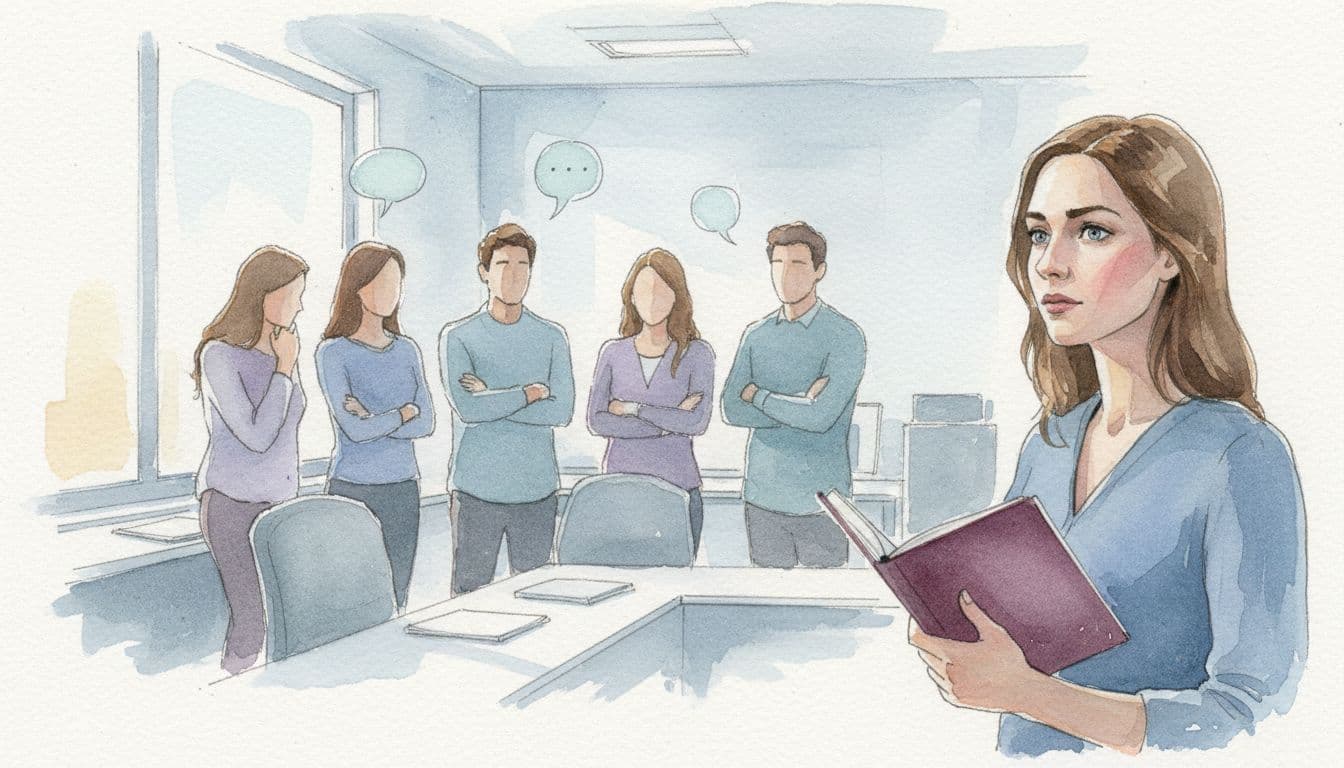
These intuitive gifts help teams. It also has a cost. If you absorb every shift in mood, you can end up carrying emotional weight that was never yours to hold.
Frequently Asked Questions
What exactly is a highly sensitive person (HSP)?
A highly sensitive person has a trait called sensory processing sensitivity, leading to deeper information processing and stronger reactions to noise, emotions, and subtleties. It’s not a disorder but a neutral temperament that makes busy or tense spaces feel more intense. Many HSPs realize this later in life, shifting from self-criticism to self-acceptance.
How is being highly sensitive different from being introverted, shy, or anxious?
High sensitivity is about heightened sensory and emotional processing, while introversion is about energy from solitude, shyness about social fear, and anxiety about worry patterns. An HSP might thrive socially but need recovery from overstimulation, not just people. These traits can overlap, but understanding the distinction helps avoid mislabeling your needs.
What strengths do HSPs bring to teams and leadership?
HSPs excel at noticing unspoken tensions, patterns, and people impacts others miss, making them intuitive leaders who listen deeply and decide thoughtfully. They catch quality issues and morale shifts early, adding strategic value. With support like coaching, these “quiet” skills become visible assets in empathetic, high-stakes environments.
How can HSPs manage overwhelm and prevent burnout at work?
Build energy-protecting habits: space out meetings, use sensory tools like headphones, take recovery breaks, and practice somatic regulation to calm your nervous system. Prepare for high-pressure moments and set boundaries without apology. This isn’t indulgence—it’s how you sustain focus, confidence, and presence.
Do HSPs make good leaders?
Absolutely—HSPs often lead powerfully through calm presence, accurate reads of dynamics, and people-centered decisions that prioritize real impact over flash. Workplaces rewarding speed may undervalue them initially, but frameworks like my Regulate → Reframe → Rise help channel sensitivity deliberately. Coaching tailored for HSP leaders unlocks this potential without changing who you are.
How to work well as a highly sensitive person, without trying to be someone else
You do not need a new personality. You need better conditions, cleaner habits, and more self-trust.
Build work habits that protect your energy and attention
This is where the practical meets the personal. Space your meetings when you can, setting boundaries to protect your schedule. Block real focus time and defend it. Reduce sensory load (headphones, adjusted lighting, a quieter corner), so your brain isn’t fighting the environment on top of everything else. Practice energy management and prepare for high-stakes conversations in advance, so you’re not trying to sort out what you think while you’re also expected to perform. Setting boundaries like these keeps your energy steady.
Recovery isn’t a reward for surviving a hard week. It’s part of how you lead well. A short walk after a draining call, ten quiet minutes before a big presentation, a real lunch away from your screen; these aren’t indulgences. They’re how you stay sharp and present for the people and work that matter most.
But the deepest work in this layer is internal. Creating daily practices to soothe your nervous system (to widen your window of tolerance so your baseline state is calm, not braced) and actively managing your mindset so you stay the boss of your brain, not the other way around. These are the Regulate and Reframe steps in my Regulate → Reframe → Rise framework, and they’re foundational for a reason. The Regulate step emphasizes emotional regulation through somatic methods. Everything else builds on them.
Use your sensitivity as a leadership skill, not something to hide
Calm presence matters. Clear judgment matters. Knowing what’s happening beneath the surface of a room (the unspoken tension, the hesitation no one else caught) matters enormously. These aren’t soft skills. They’re strategic ones.
The strongest shift you can make is deceptively simple: stop asking “how do I act less sensitive?” and start asking “how do I use sensitivity as a strength?” Building confidence with that question changes everything because it moves you from trying to shrink something real about you to building confidence to lead with it deliberately.
Most workplaces have historically rewarded what’s obvious: the loudest voice, the fastest answer, the most visible presence. But quiet perception, steady listening, and the ability to think deeply before speaking are the leadership competencies the next decade will demand for leaders and highly sensitive entrepreneurs.
You don’t need to manufacture them. You already have them. You just need the right framework to move them from invisible to impossible to ignore. The Alchemist Leader Lab, led by certified Immunity to Change Coach Amber Anderson, provides that framework in a safe and shame-free environment that combines customized content with expert coaching and a private, supportive community of HSP and introverted leaders.
You don’t need to measure yourself by louder standards. You need to understand how your system works, then build a leadership style that fits who you actually are.
That’s where your strength starts. Not when you become someone else, but when you stop fighting who you are. For the highly sensitive person ready for career coaching centered on self-acceptance and managing overwhelm, this is your path to true leadership.


